


If you want to protect your home or business from lightning strikes and electrical surges, ADP Electrical can help. Our team installs whole-home surge protection and lightning protection systems designed to keep your electrical system and equipment safe. Contact us today for a free quote.
Lightning is scary, and so are those sudden power surges that can fry your electronics. You might think your home is safe, but power spikes happen more often than you’d think, not just from storms. They can come from the power company or even big appliances kicking on. Without the right setup, these surges can mess with your computers, TVs, and anything with a circuit board. That’s where thinking about whole home surge protection really comes into play, making sure your whole house is covered.
Key Takeaways
Power surges, not just from lightning, can damage electronics and appliances. Many happen daily from normal grid activity.
Whole home surge protection is vital for modern homes filled with sensitive electronics, offering a better defense than individual plug-in protectors.
A layered defense, including protection at the service entrance, electrical panel, and point-of-use, provides the most robust shield against surges.
Proper installation by professionals is key for whole home surge protection to work effectively and safely.
Regularly check surge protector indicators and understand their lifespan, as they wear out over time and need replacement.
Understanding the Risks of Power Surges
You know, it’s easy to think of our homes as these safe little bubbles, but when it comes to electricity, things can get a bit wild. Power surges are basically sudden, unexpected spikes in voltage that shoot way past the normal level your appliances are designed for. Think of it like a sudden, massive wave hitting a small boat – it can cause a lot of damage, fast.
The Pervasive Threat of Electrical Surges
These surges aren’t just a rare, dramatic event like a lightning strike, though that’s definitely the scariest one. Lightning can carry millions of volts, and even if it hits miles away, it can send damaging spikes through power lines and even the ground. But honestly, those aren’t the only culprits. Your local power company switching grids, restoring power after an outage, or even just doing routine maintenance can cause voltage fluctuations. It’s estimated that a typical home can experience up to 2,000 surges a year – that’s like six a day! Most of these are small, but they add up.
Impact on Sensitive Electronics and Appliances
Our homes are filled with fancy electronics these days, right? Computers, smart TVs, fancy refrigerators, even your thermostat. These devices have delicate circuits that just can’t handle those sudden voltage spikes. A big surge can fry them instantly, making them completely useless. Even smaller, more frequent surges can slowly wear down components over time, shortening the lifespan of your expensive gadgets. It’s a real bummer when your computer suddenly dies or your TV starts acting weird after a storm, and often, a surge is the reason. Without adequate protection, these surges can significantly damage your electronic devices, appliances, and your home’s electrical system. protect your investments
Beyond Lightning: Common Surge Causes
So, lightning is a big one, but what else? Well, think about the big appliances in your house – your air conditioner kicking on, the furnace firing up, or the washing machine starting its cycle. When these power-hungry machines start up, they can create their own mini-surges within your home’s wiring. Add to that things like faulty wiring, loose connections, or an older electrical panel, and you’ve got a recipe for trouble. Even damage to power lines outside, maybe from a fallen tree branch or a car accident, can send a jolt right into your neighborhood’s electrical system. It’s a constant battle to keep things stable.
It’s important to remember that while lightning gets all the attention, the everyday electrical activity within your home and from utility operations contributes significantly to the wear and tear on your electronics. These smaller, more frequent events are often the silent killers of sensitive equipment over time.
Implementing Whole Home Surge Protection
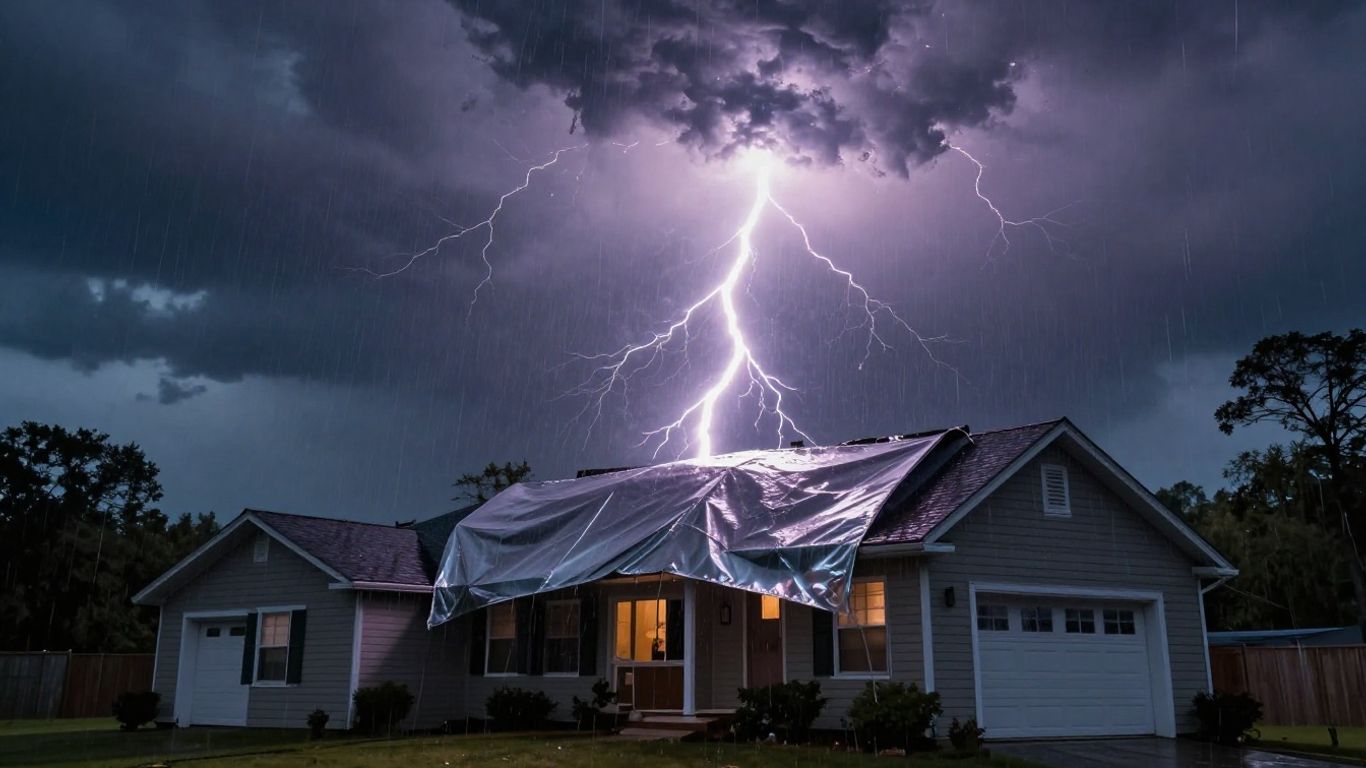
Okay, so we’ve talked about why power surges are a big deal. Now, let’s get to the good stuff: how to actually stop them from messing with your house. Relying on those little power strip protectors is like trying to stop a flood with a teacup. You need something more robust, something that covers your whole place. That’s where whole home surge protection comes in.
The Necessity of Comprehensive Protection
Think about all the electronics you have these days. We’ve got smart TVs, fancy refrigerators, computers, gaming consoles, maybe even a smart thermostat. These aren’t cheap, and they’re all pretty sensitive to sudden jolts of electricity. A single lightning strike nearby, or even just a large appliance kicking on, can send a surge through your wiring. Without a whole home system, these surges can fry your gadgets, shorten their lifespan, or cause weird, intermittent problems that are a nightmare to figure out. A whole home surge protector acts as a primary defense, guarding everything connected to your electrical system. It’s not just about convenience; it’s about protecting your investments and keeping your home running smoothly.
How Whole House Surge Protection Works
So, how does this magic box actually work? A whole home surge protector is typically installed right at your main electrical service panel, where the power from the utility company first enters your house. It constantly monitors the electricity flowing in. If it detects a sudden, unexpected spike in voltage – that’s the surge – it instantly diverts that excess energy safely into your home’s grounding system. This happens in a fraction of a second, long before the surge can reach your sensitive electronics. It’s a much more effective approach than just plugging individual devices into surge-protected outlets, which only protect those specific items and leave everything else vulnerable. For a look at how these systems are designed, you can check out Eaton’s surge technology.
Benefits of a Whole Home Surge Protection Network
Setting up a whole home system offers a bunch of advantages. It’s not just about preventing a total meltdown of your electronics, though that’s a big one. Here are some key benefits:
All-Around Protection: It covers every circuit in your house, including hardwired appliances like your HVAC system, water heater, and oven, which plug-in protectors can’t reach.
Extended Lifespan for Devices: By preventing repeated small surges, you help your electronics and appliances last longer and perform better.
Reduced Risk of Fire: Surges can sometimes cause electrical faults that lead to fires. A surge protector helps mitigate this risk.
Peace of Mind: Knowing your home and your expensive gadgets are shielded from electrical chaos is a pretty good feeling.
While the initial cost might seem a bit high, think about how much it would cost to replace a high-end TV, a computer, or a refrigerator after a surge. Often, preventing just one major incident pays for the entire system many times over. It’s an investment in the longevity and safety of your home’s electrical infrastructure.
Installing a whole home surge protector is a smart move for anyone with modern electronics. It’s a proactive step that can save you a lot of headaches and money down the road.
Layered Defense Strategies for Your Home
Think of protecting your home from power surges like building a fortress. You wouldn’t just put up one wall, right? You build layers of defense. The same idea applies to electrical surges. A single surge protector might catch some of the smaller stuff, but for serious threats like lightning, you need a multi-pronged approach. This layered strategy ensures that no matter how a surge tries to get in, there’s a barrier ready to stop it.
Primary Defense at the Service Entrance
This is your first line of defense, the main gatekeeper. A whole-house surge protector installed right where the power enters your home, usually at the main electrical service panel or even before it, is key. This device acts like a bouncer, intercepting large voltage spikes before they can travel further into your home’s wiring. It diverts the excess energy safely to the ground. It’s the most effective way to protect your entire home’s electrical system from major surges. These units are designed to handle the big hits, like those from lightning strikes or utility grid issues.
Secondary Protection at the Electrical Panel
While the service entrance protector handles the initial onslaught, a secondary layer adds extra security. This often involves surge protection devices installed directly within your main electrical panel. They work in conjunction with the primary protector, catching any residual surge energy that might have slipped through. Think of it as a second set of guards making sure nothing dangerous gets past the main gate. This level of protection is particularly important for homes with extensive wiring or sensitive equipment located far from the service entrance.
Point-of-Use Protection for Sensitive Devices
Finally, we get to the individual devices you care about most. These are your everyday surge protectors – the power strips you plug your computer, TV, or gaming console into. While they aren’t designed to stop a direct lightning strike, they offer a final safeguard for your most valuable electronics. They protect against smaller, more frequent surges that might occur within your home’s wiring or from nearby appliance usage. It’s always a good idea to look for surge protectors that meet UL 1449 standards for safety and performance.
Here’s a quick look at where each layer fits:
Service Entrance Protection: Catches the biggest surges right at the entry point.
Electrical Panel Protection: Provides an additional buffer for the entire home’s wiring.
Point-of-Use Protection: Shields individual sensitive electronics at the outlet.
A properly implemented layered defense system means that even if one layer is overwhelmed, the others are still working to protect your home. It’s about redundancy and making sure that stray voltage doesn’t find a path to your expensive gadgets or, worse, cause a fire.
Remember, the effectiveness of these layers also depends heavily on your home’s grounding system. A solid ground connection is what allows these surge protectors to do their job properly by providing a safe path for excess electricity.
Professional Installation and System Maintenance
Ensuring Optimal Performance Through Expert Installation
Getting a whole-home surge protection system set up right is super important. It’s not really a DIY kind of job. You need someone who knows their way around electrical panels and understands how surges work. A licensed electrician will make sure the protector is wired correctly into your main service panel. They’ll also check that your home’s grounding is up to snuff, which is a big part of how these systems actually do their job. Getting it wrong could mean the system doesn’t work when you need it most, or worse, it could create a fire hazard. Plus, most utility companies and insurance providers want to see that professional installation was done to cover you.
Monitoring Protection Status and Indicators
These surge protectors aren’t just ‘set it and forget it’ gadgets. Most good ones have little lights on them that tell you if they’re still working properly. Usually, a green light means everything’s good. If you see a yellow or red light, or no light at all, it’s a sign that the protector has done its job by absorbing a surge and might be worn out, or it’s just not functioning anymore. You should check these indicators regularly, maybe once a month, and definitely after any big thunderstorms or power flickers in your neighborhood. Some newer systems even have apps that can tell you their status, which is pretty neat.
Understanding Replacement Schedules and Upgrades
Think of surge protectors like light bulbs; they don’t last forever. Every time they block a surge, they wear down a little. Most manufacturers say they’ll last anywhere from 5 to 10 years, but this can change depending on how many surges your home deals with. If you live in an area with lots of storms, you might need to replace yours sooner. It’s a good idea to keep track of when it was installed. Also, technology keeps getting better. A protector you bought five years ago might not be as good as a new one with updated features. It’s worth asking your electrician to take a look at your system every few years to see if an upgrade makes sense, especially if you’re adding new, sensitive electronics to your home.
Here’s a quick rundown on what to expect:
Lifespan: Typically 5-10 years, but can be shorter with frequent surges.
Indicators: Check monthly for status lights (green = good, red/yellow = replace).
Upgrades: Consider newer models every 5-10 years for improved technology.
Professional Check: Have an electrician inspect your system during routine electrical check-ups.
Proper maintenance and timely replacement are key to making sure your surge protection system actually protects your home when it counts. Don’t wait for a surge to find out it’s no longer working.
Recognizing Signs of Surge Damage
Sometimes, the damage from a power surge isn’t immediately obvious. It might not be a dramatic explosion or a fried appliance. Instead, it can be a slow creep of problems that eventually lead to equipment failure. Paying attention to your home’s electrical behavior and how your devices are acting can give you early warnings.
Visible Indicators of Electrical Stress
Look for physical clues that something isn’t quite right with your home’s electrical system. These aren’t always dramatic, but they’re important.
Flickering or dimming lights: Especially when large appliances like your air conditioner or refrigerator kick on, lights might momentarily dim or flicker. This suggests the system is struggling to handle the load, a sign of voltage instability.
Outlets or switches that are warm to the touch: Electrical components should generally be cool or slightly warm. If you notice an outlet or switch plate feeling unusually hot, it could indicate internal wiring issues or stress from surges.
Discoloration or burn marks: Check around outlets and light switches. Any brown or black discoloration, or even a faint burning smell near these areas, is a serious warning sign that needs immediate professional attention.
Frequently tripping circuit breakers or blowing fuses: While breakers and fuses are designed to protect your system, if they’re tripping or blowing often, especially during storms or when specific appliances are used, it could be a symptom of repeated surge activity stressing the circuits.
Performance Degradation Patterns in Electronics
Your electronics might not die instantly after a surge. Instead, they can start to act strangely, showing a gradual decline in performance. This is often due to minor surges that damage sensitive internal components over time.
Computers and Laptops: Are they running slower than usual? Do they crash or freeze more often? Do you find yourself needing to restart them more frequently? These could be signs that the surge has damaged internal circuitry, affecting processing or memory.
Televisions and Audio Equipment: Notice a decline in picture quality? Are smart TVs acting glitchy, disconnecting from Wi-Fi randomly, or showing strange artifacts on screen? Audio equipment might produce static or cut out unexpectedly.
Appliances with Electronic Controls: Modern appliances, from washing machines to microwaves, have complex control boards. If an appliance starts behaving erratically, displaying error codes, or not responding to commands, it might be due to surge damage to its electronic brain.
Smart Home Devices: These are particularly vulnerable. If your smart lights, thermostats, or security cameras are frequently offline, unresponsive, or acting unpredictably, a surge could be the culprit.
Subtle Clues of Voltage Instability
Sometimes, the signs are so minor you might dismiss them. But taken together, they can paint a picture of an electrical system under stress.
A series of small, seemingly unrelated issues across different devices can be a stronger indicator of a system-wide problem like power surges than a single, isolated failure. It’s like a slow leak versus a burst pipe – both are problems, but one requires a different kind of attention.
Batteries draining faster than usual: If battery-powered devices, especially those that plug in to charge, seem to have their batteries failing prematurely or not holding a charge like they used to, it could point to issues with the charging circuitry affected by voltage fluctuations.
Devices taking longer to boot up: A computer or other electronic device that used to start up quickly but now takes a noticeably longer time might be experiencing internal delays caused by damaged components.
Intermittent connectivity issues: For devices that rely on Wi-Fi or Bluetooth, frequent drops in connection that don’t seem related to your router could be a sign that the device’s internal communication hardware is being stressed by voltage instability.
If you’re noticing a pattern of these issues, especially after a recent storm or power outage, it’s a good idea to have your home’s electrical system inspected by a professional. They can help determine if surges are the cause and recommend the right protection.
The Importance of Grounding Systems
The Crucial Role of Proper Grounding
Think of your home’s electrical system like a plumbing system. Water flows through pipes, and if there’s a blockage or a sudden burst, you need a way for that excess pressure to go somewhere safe. In an electrical system, that “safe place” is the ground. A properly grounded electrical system provides a low-resistance path for stray electricity to dissipate safely into the earth. This is absolutely vital for preventing electrical fires and protecting you from dangerous shocks. Without it, a surge or a fault could send electricity where it shouldn’t go, potentially through you or your sensitive electronics.
Checking Your Home’s Grounding System
Many homes, even newer ones, might not have the robust grounding they need. It’s not something you can just eyeball and know for sure. Here’s what a professional looks for:
Grounding Electrode Conductor: This is the wire that connects your electrical system’s grounding point to the actual grounding electrode.
Grounding Electrode: This is typically a metal rod driven deep into the earth near your home’s foundation. It’s the direct connection to the soil.
Connections: All connections must be secure and free from corrosion. Loose or corroded connections can impede the flow of electricity to ground.
If you’re unsure about your home’s grounding, it’s best to have an electrician inspect it. They can test the resistance and verify that it meets current safety standards. This is a key step before installing any advanced surge protection devices, as they rely on a good ground to function effectively. You can find electricians who specialize in home electrical safety.
Supplemental Grounding Solutions
Sometimes, the existing grounding system just isn’t up to par, or maybe you live in an area with particularly challenging soil conditions. In these cases, adding supplemental grounding can make a big difference. This often involves installing additional grounding electrodes, like copper rods, driven deeper into the earth. It’s usually a straightforward and cost-effective way to improve the safety and effectiveness of your entire electrical system, especially when dealing with the unpredictable nature of power surges and lightning.
A solid grounding system acts as the unsung hero of your home’s electrical safety. It’s the silent guardian that diverts dangerous electrical energy away from your living space and sensitive equipment, making it a non-negotiable component of any robust protection strategy.
Wrapping Up
So, we’ve talked about how lightning can be a real problem, not just for your electronics but for your whole house. It’s not just about those big, dramatic strikes either; smaller power surges happen all the time and can slowly mess up your stuff. Putting in some basic protection, like surge protectors for your sensitive gadgets, is a good start. But for real peace of mind, especially if you live in an area with lots of storms, looking into a whole-house surge protection system is probably the way to go. It might seem like a hassle, but think of it as an investment to keep your home and all your expensive electronics safe from those unexpected jolts of power. Better safe than sorry, right?
Frequently Asked Questions
What exactly is a power surge and why is it dangerous?
A power surge is like a sudden, quick burst of too much electricity. Think of it as a traffic jam where cars suddenly speed up way too fast. These surges can happen from lightning, but also from things like your power company switching things on and off, or even big appliances in your house starting up. They can fry the delicate parts inside your electronics and appliances, making them stop working or even causing fires.
Is lightning the only thing that causes power surges?
Nope! While lightning is a big one, it’s not the only cause. Many surges happen every day from regular electrical activity. Your power company switching power lines, or even your own appliances like your fridge or air conditioner turning on and off, can create smaller surges. Over time, these little surges can add up and damage your electronics.
What’s the difference between a regular surge protector and a whole-home surge protector?
A regular surge protector, like the kind you plug your computer into, only protects that one device. A whole-home surge protector is installed where the electricity first enters your house. It acts like a security guard for your entire electrical system, stopping surges before they can spread to all your appliances and electronics.
How do I know if my home has been damaged by a power surge?
Look for signs like lights flickering more than usual, especially when a big appliance kicks on. Your electronics might start acting weird – computers freezing up, TVs showing fuzzy pictures, or devices shutting off randomly. Sometimes you might even see burn marks around outlets or smell a burning odor.
Is it important to have a good grounding system for surge protection?
Absolutely! Think of grounding like a safe escape route for extra electricity. Surge protectors need a good ground to send the extra power away safely. If your home’s grounding isn’t good, the surge protector can’t do its job properly, and the electricity might end up damaging your stuff instead.
How often do surge protectors need to be replaced?
Surge protectors wear out over time because they absorb the energy from surges. Most whole-home surge protectors last about 5 to 10 years, but this can change depending on how many surges your home experiences. It’s a good idea to check them regularly, especially after big storms, and replace them according to the manufacturer’s advice or when indicator lights show they aren’t working right anymore.
